Textile Management - Courses, Colleges and Careers
[read_meter]
Highlights
Textile Industry is the biggest industry of India after agriculture, who gives employment to the million of people. A vast population with diversity in culture expands the horizon of textile industry in the country.
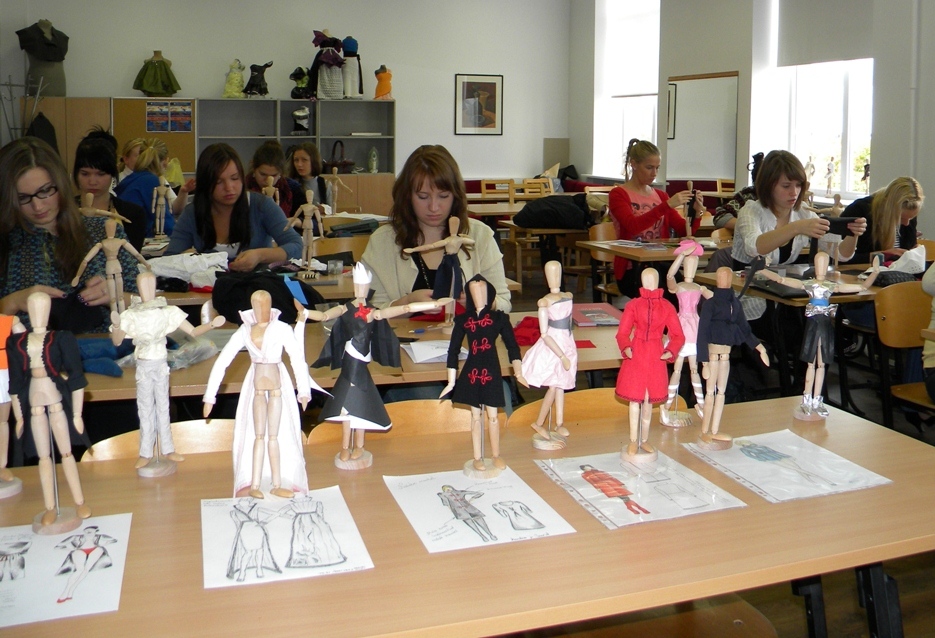
The textile industry is often combined with fashion merchandising and design. The goal of the Textile Management Program is to impart knowledge to the students and make them able to create magic with the clothing materials.
Due to ethnic diversity and cultural multiplicity besides racial traces in India’s hinterland, several designs and variety of costumes and apparels are used that enrich Indian textile garments design possibilities.
Career Scope and Job Prospects in Textile Management
Employment opportunities in Textile Management include,
Plant or Corporate Management
Technical Sales
Industrial Engineering
Product Development
Marketing
Customer Relations
Human Resources
Cost and Inventory Control
A degree in textile management may be granted as a business administration degree, as many textile students hope to become textile manufacturers or other business owners who specialize in textile production. For these careers, some knowledge of business is required, so students studying textile management will usually take at least a few business courses. Textile marketing is another popular field in the textile industry, and requirements include studying the clothing market, participating in hands-on research projects, developing products and coordinating sales efforts with clothing stores. Students interested in this aspect of the textile industry will focus heavily on marketing courses, and they will learn quickly how to apply principles of public relations and sales to the clothing industry.
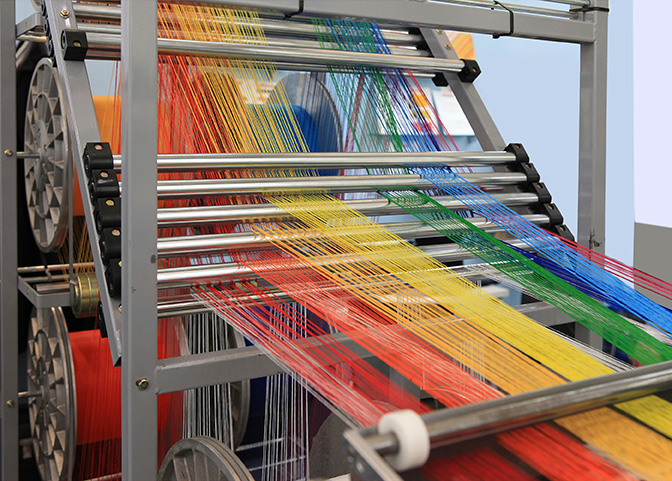
Another area of textile management is the production of textile fabric. Students interested in this field should be hands-on learners interested in creating tangible products. Textile technology is constantly changing, so students interested in this area should be willing to be on the lookout for new trends in the clothing industry. The creation of textile fabric includes producing yarn and any of several kinds of fibers. People who are drawn to knitting and crocheting might find an interest and talent in this aspect of textile management.
Top Colleges/Institutes for Textile Management
No.
College/Institute
1
Sardar Vallabhbhai Patel Institute of Textile Management - Tamil Nadu
2
Indian Management School and Research Centre - Mumbai
3
Institute of Business Management Studies - Mumbai
4
National Institute of Retail Management - Bangalore
Lorem ipsum dolor sit amet, consectetur adipisicing elit, sed do eiusmod tempor incididunt ut labore et dolore magna aliqua. Ut enim ad minim veniam, quis nostrud
Free Expert Counselling
CB
CollegeBandhu
Your trusted admission partner
Get 100% Free Guidance for Top UGC-Approved Programs
Talk to an expert — receive personalised university options, fee details & admission support.
UGC Approved 4.9★ Rated 50,000+ Students
You're All Set! 🎉
Thank you! One of our expert counsellors will call you within 24 hours.